


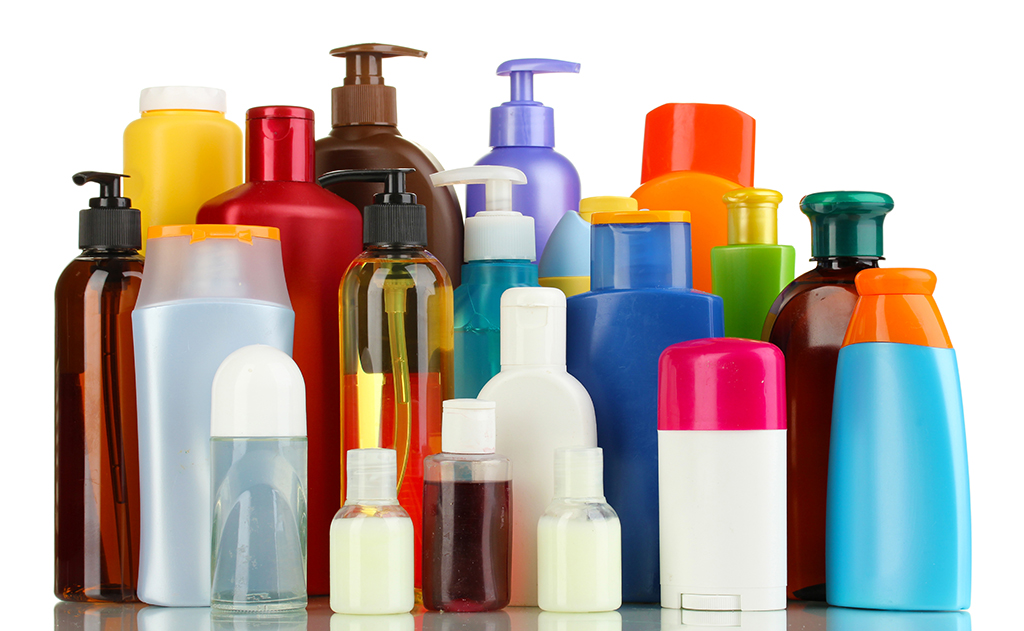
Khairul Alam, Dhaka: The cosmetics market in Bangladesh is booming, with a wide variety of products —ranging from local and international brands to unbranded items—readily available.
With more than 500 types of skincare and cosmetic products in the market, distinguishing between authentic and counterfeit goods has become increasingly difficult, even for sellers.
This growing market has raised significant health concerns, especially as many products do not meet the required standards for quality and safety.
According to experts, the lack of iodine in certain salt products is leading to health risks such as goiter, and the unchecked use of hazardous chemicals in cosmetics is exposing consumers to various health threats.


Recent research has found that only 106 out of the 500-plus skin care and color cosmetics in the market have BSTI certification.
While some companies comply with the required standards for lead and mercury levels, harmful substances like benzophenone and arsenic continue to be used in several cosmetic products without regulation.
BSTI’s oversight is currently limited to regulating lead and mercury levels, and there has been no significant action to control other dangerous chemicals like benzophenone, arsenic, and cadmium, which are frequently used in the production of cosmetics.
BSTI’s Director of Standards, Saiful Islam, acknowledged the growing cosmetics market but admitted that the authority has been slow to address issues in this sector.
He emphasized that while BSTI is actively setting standards for essential commodities, it has not given the same level of attention to cosmetics, even though they are under its oversight.


Parabens are commonly used as preservatives in cosmetics but can pose serious health risks. Despite these findings, BSTI has not yet put in place regulations to test or limit the use of parabens and other harmful chemicals in cosmetic products.
The research conducted by ESDO found that many of the products tested were from well-known brands, yet the bigger concern is the widespread presence of counterfeit and low-quality cosmetics, which are often made with hazardous chemicals.
After the study, no effective measures or new regulations were introduced to control these products or limit the presence of dangerous chemicals in the market.
According to a study by Dhaka University, only 15% of the cosmetics used in Bangladesh are produced by local companies, and another 15% is imported. The remaining 70% consists of counterfeit or low-quality products made with harmful ingredients.
These counterfeit cosmetics are often produced in factories in areas like Chawkbazar, Islampur, and Keraniganj in Dhaka, and in other district towns, posing serious risks to public health.
Consumer Association of Bangladesh (CAB) data shows that many established cosmetics brands in the market lack proper labeling and expiration dates.
A survey revealed that 45% of cosmetic products do not have BSTI certification, and 75% do not have the manufacturer’s address on the label.
In addition to counterfeit products, there is a growing trend of fraud where unscrupulous traders copy the packaging of well-known foreign brands, and sell these fake products in supermarkets and brand outlets.
In some cases, discarded packaging and containers are reused to sell counterfeit cosmetics.


Currently, BSTI lacks comprehensive data on how many types of cosmetics in the market are certified by their standards.
However, they estimate that only about 30% of the total production of cosmetics in the country is covered by their certification. The remaining 70% of products are not subject to quality control.
BSTI’s Assistant Director for Chemistry, Manjurul Karim, noted that while the institution has set standards for many common cosmetics, the rapid expansion of the market makes it increasingly difficult to keep pace with the growing number of products.
The lack of proper regulation, the widespread sale of counterfeit products, and the use of harmful chemicals in cosmetics present serious public health concerns.
Experts are calling for more stringent monitoring and enforcement from BSTI to ensure that only safe, certified products are available in the market.