


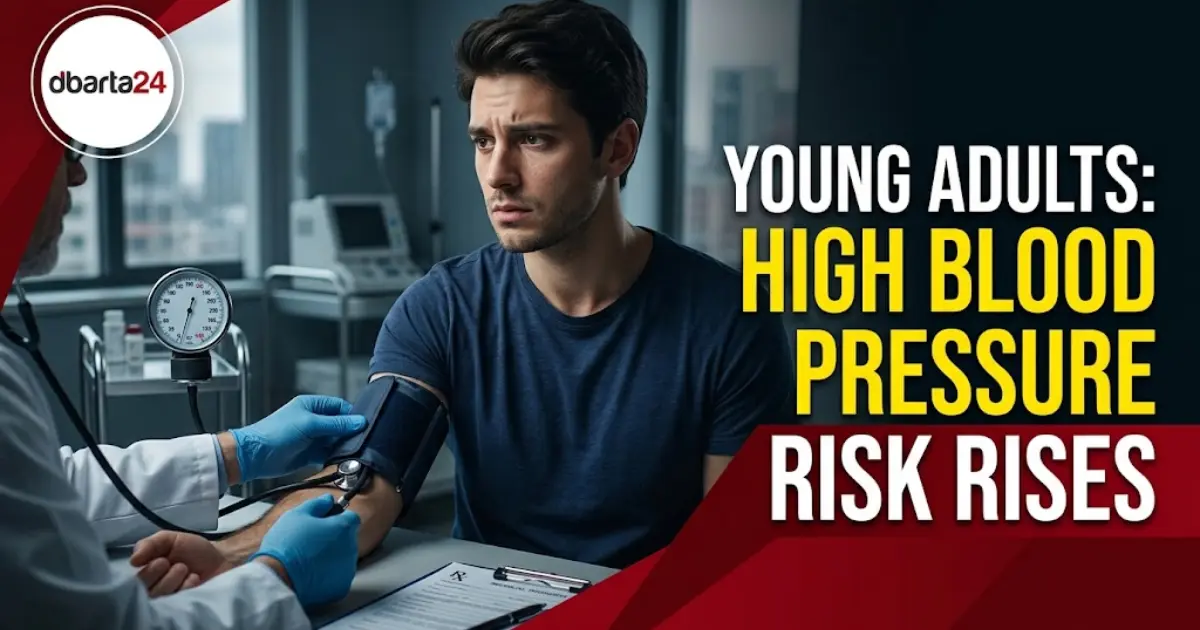
Dbarta24 Health Desk- High blood pressure is no longer just a concern for the elderly. Medical experts warn that hypertension is increasingly affecting young adults, often silently damaging the heart, brain, kidneys, and blood vessels without exhibiting any initial symptoms.
Early screening and preventive lifestyle adjustments are critical to mitigating long-term health risks.
According to global data from the World Health Organization (WHO), nearly 1.4 billion people aged 30 to 79 lived with hypertension in 2024. Alarmingly, approximately 44% of these individuals were completely unaware of their condition, underscoring the hidden nature of this cardiovascular risk factor.
Key Risk Factors Driving Early Hypertension
The rising prevalence of high blood pressure among younger populations is largely driven by controllable lifestyle habits, alongside non-modifiable genetic factors:
-
Unhealthy Lifestyle Choices: High sodium intake, poor dietary habits, physical inactivity, smoking, tobacco use, and excessive alcohol consumption.
-
Pre-existing Health Conditions: Overweight and obesity, diabetes, chronic kidney disease, and specific hormonal disorders.
-
Family History: A genetic predisposition to cardiovascular conditions significantly increases individual risk.
While hypertension frequently presents zero symptoms, some individuals may experience headaches, dizziness, or blurred vision. Left unmanaged over prolonged periods, it dramatically elevates the risk of heart disease, stroke, and kidney failure.
Prevention Strategy: WHO Guidelines
Addressing early-onset hypertension requires proactive dietary and daily routine adjustments. Key recommendations include:
-
Dietary Sodium Reduction: The WHO recommends consuming less than 5 grams of salt per day for adults. Caution is advised not only for added table salt but also for hidden sodium found in processed foods.
-
Regular Physical Activity: Adults should engage in at least 150 minutes of moderate-intensity or 75 minutes of vigorous-intensity aerobic activity per week, complemented by muscle-strengthening exercises at least two days a week.
-
Comprehensive Wellness: Maintaining a healthy body weight, prioritizing balanced nutrition, ensuring adequate sleep, avoiding tobacco and excessive alcohol, and routine health screenings.
Accurate Diagnosis and Management
A single elevated reading does not immediately classify a person as hypertensive, as blood pressure naturally fluctuates throughout the day. Accurate diagnosis requires proper measurement techniques across multiple occasions. The 2024 guidelines from the European Society of Cardiology emphasize out-of-office blood pressure monitoring for reliable assessment.
Per WHO standards, hypertension is defined as a systolic blood pressure of 140 mmHg or higher, or a diastolic blood pressure of 90 mmHg or higher, measured across two separate days.
However, the necessity of medical intervention must be determined by a healthcare provider based on an individual’s overall health profile and risk factors. Recognizing hypertension at a young age demands immediate lifestyle modifications and medical consultation rather than delay.