


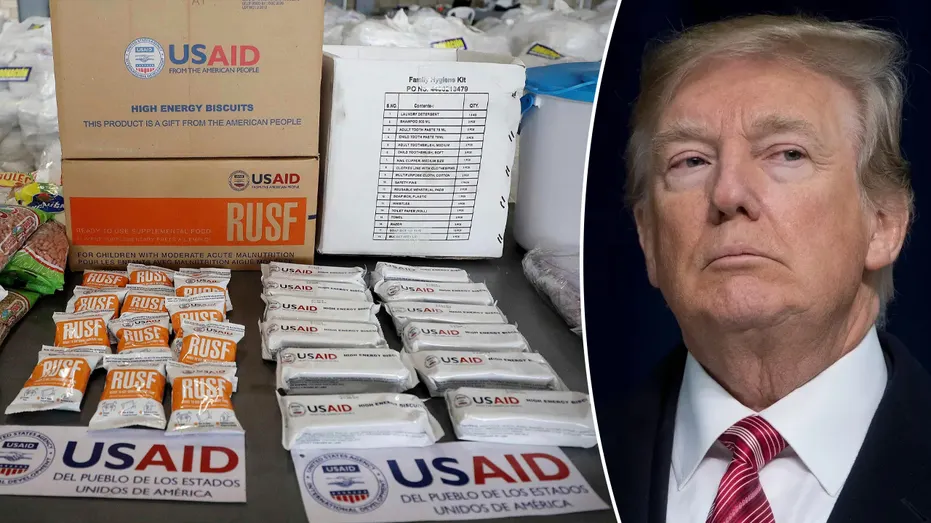
Khairul Alam: In a significant move, the United States Agency for International Development (USAID) has temporarily suspended all its programs in Bangladesh, except for Rohingya refugee assistance, following President Donald Trump’s directive to curb foreign spending.
The decision, implemented a week ago, has already begun to impact ongoing projects, halting or delaying initiatives in food security, agriculture, education, healthcare, democracy, governance, environment, energy, and humanitarian assistance. Some organizations have even issued layoff notices to employees.
The suspension comes at a critical time for Bangladesh, which is already grappling with high inflation and economic instability following the fall of the Sheikh Hasina government on August 5 after mass protests.
The interim government, struggling to address the economic fallout, now faces additional challenges as USAID’s withdrawal threatens social safety nets and development programs, potentially affecting millions of people.
Analysts view the U.S. decision as a cause for concern, warning of long-term impacts on technical assistance and development. They emphasize the need for immediate diplomatic efforts to engage with the U.S. and highlight Bangladesh’s role as a key trade partner.
USAID’s 50-Year Contribution to Bangladesh
For over five decades, USAID has been a vital partner in Bangladesh’s development, providing financial assistance in public health, education, energy, environment, food security, agriculture, and disaster management.
In September, USAID signed an agreement to provide $20.22 million in aid, following a Development Objective Grant Agreement (DOAG) for $954 million spanning 2021-2026. Since 1974, under the Economic, Technical, and Related Assistance Agreement, the U.S. has contributed over $8 billion to various sectors in Bangladesh.
According to the ‘Foreign Assistance’ website, the U.S. provided $500 million in 2021, $470 million in 2022, $490 million in 2023, and $450 million in 2024. Bangladesh has consistently ranked among the top ten recipients of U.S. aid, particularly following the Rohingya crisis.
Health Sector in Crisis
The suspension of U.S. funding has halted the supply of life-saving medicines for HIV, malaria, and tuberculosis, exacerbating existing challenges in the health sector. Health experts warn that the lack of funds has already stalled operational plans (OP) for seven months, leaving over 20,000 workers unpaid.
The withdrawal of U.S. support could increase the risk of infectious diseases like HIV/AIDS, tuberculosis, diarrhea, respiratory infections, and malnutrition-related illnesses. Experts urge the government to prioritize ongoing projects and consider domestic funding to mitigate the crisis.
Food Security and Agriculture at Risk
USAID’s food security programs, which provide nutritious food to marginalized communities, have been suspended. Additionally, initiatives to develop climate-resilient agricultural technologies in 23 southern districts have come to a standstill. These projects were crucial for ensuring food security and adapting to climate change impacts.
Environment, Energy, and Governance Initiatives Halted
USAID’s environment and energy projects, aimed at conserving natural resources and enhancing energy security, have also been paused. These initiatives played a key role in addressing climate change challenges. Furthermore, programs to improve governance, accountability, and human rights have been discontinued, undermining efforts to build public trust in government institutions.
Education Programs Disrupted
USAID’s initiatives to enhance primary and secondary education quality, including teacher training and improved learning opportunities for students, have been suspended. These programs were instrumental in advancing educational standards across the country.
The Way Forward
The suspension of USAID’s programs has left a significant void in Bangladesh’s development landscape. Experts stress the need for strategic planning and diplomatic engagement to restore funding and ensure the continuity of critical projects. The government must also explore alternative funding sources to safeguard vulnerable populations and sustain development progress.
As Bangladesh navigates this challenging period, the suspension of U.S. aid underscores the importance of self-reliance and robust diplomatic efforts to secure international support.