


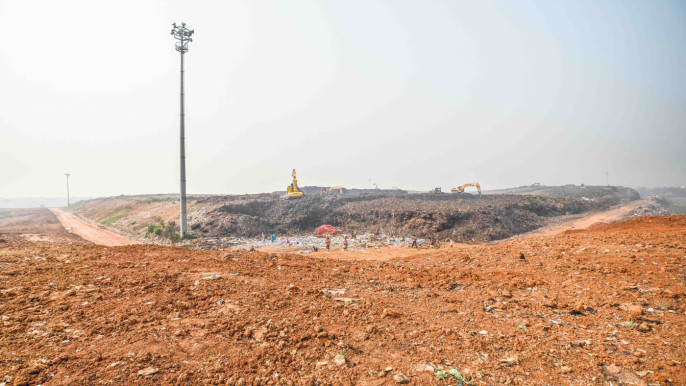
Khairul Alam: In a significant stride towards a sustainable and greener Dhaka, the construction of a waste-to-power plant at the Aminbazar landfill site has officially commenced.
This groundbreaking project was unveiled by Dhaka North City Corporation (DNCC) Mayor Atiqul Islam during a discussion organized by Climate Parliament Bangladesh at the Sheraton Hotel on Sunday, September 10.
Mayor Atiqul Islam expressed his elation, stating, “I am very happy to announce that the construction project of an incineration plant to generate electricity from waste has started in the Aminbazar Landfill.

This plant is set to produce a substantial 42.5 megawatts of electricity daily, propelling us toward our vision of a Smart Bangladesh by 2041.”
Each day, Dhaka North City Corporation grapples with the disposal of a staggering 3200-3600 tons of waste. The waste-to-power plant will employ cutting-edge technology to transform mixed household waste into a valuable energy resource.
By harnessing the energy potential within our waste, the project aims to convert what was once a burden into a source of power.
Moreover, this endeavor is poised to make a significant impact on reducing carbon emissions in the environment while promoting environmentally friendly and standardized waste management practices.

Addressing concerns about air pollution, Mayor Atiqul Islam highlighted several proactive measures. Water is systematically sprayed through browsers by the city corporation to mitigate air pollution, and stringent regulations are in place to ensure that construction-related dust does not contaminate the air.
Furthermore, addressing the issue of water pollution caused by waste entering surface drains, the DNCC is taking steps towards onsite sanitation and enhancing environmental protection through extensive tree plantation initiatives. The introduction of electric school buses is also on the agenda.
As part of the broader urban planning strategy, canals within the jurisdiction of the Dhaka North City Corporation will be opened to alleviate traffic congestion within the city.

Drawing inspiration from the successful Hatirjheel project, a waterway will be established from the Rupnagar canal in Mirpur to the Turag river, which boasts a total of 11 bridges. An arch bridge will be constructed to make these bridges navigable, aligning with the principles of nature-based solutions to preserve the city’s environment.
This ambitious plan not only promises to reduce traffic congestion but also aims to safeguard Dhaka’s environment from pollution.
In summary, the waste-to-power plant project and the ambitious urban planning initiatives underscore Dhaka’s commitment to addressing its environmental challenges, reducing pollution, and charting a sustainable course towards a greener, smarter future.