


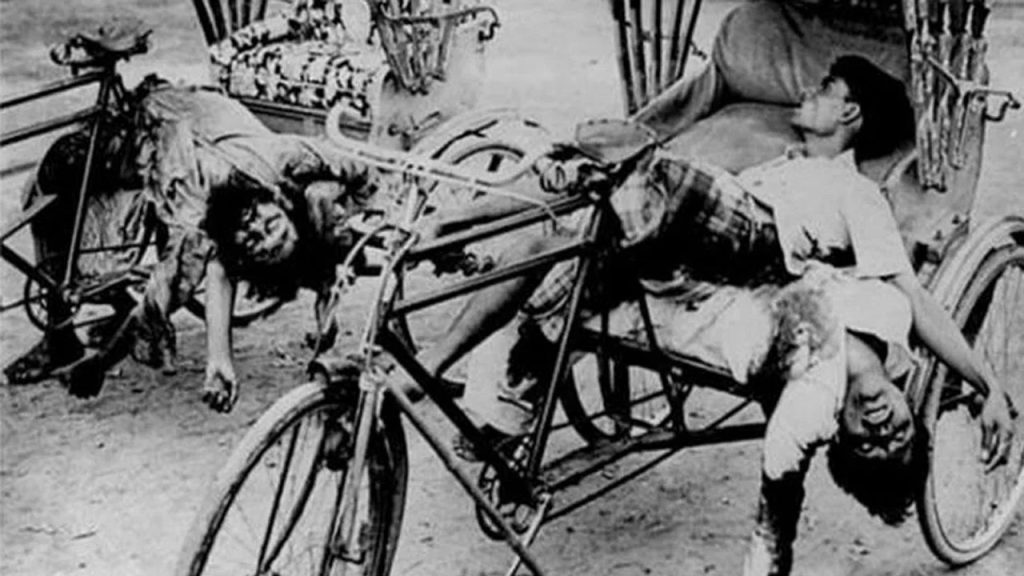
Khairul Alam, Dhaka: Today, March 25th, marks the National Remembrance Day for genocide victims, commemorating one of the darkest chapters in human history. It is a day etched in infamy, reminding us of the heinous atrocities perpetrated against innocent and unarmed Bengalis.
In the annals of human civilization, March 25th stands as a solemn reminder of the most brutal genocide ever witnessed by the world. On this day in 1971, the Pakistani military unleashed a reign of terror known as “Operation Searchlight,” marking a gruesome chapter in history. The campaign aimed to silence the voices of freedom-loving Bengalis and crush their aspirations for independence.
Under the leadership of the Father of the Nation, Sheikh Mujibur Rahman, the Awami League secured an overwhelming majority in the 1970 elections.
However, Pakistan’s military junta, unwilling to cede power, initiated various machinations to suppress the unarmed Bengalis. Through clandestine meetings and deceptive tactics, they ensnared the unarmed Bengalis in a covert plan of annihilation.
Bangabandhu Sheikh Mujibur Rahman, on March 2nd, 1971, called for non-cooperation, followed by a historic speech on March 7th, delineating a clear roadmap for liberation after 23 years of oppression. From March 15th onwards, he issued 35 directives for the implementation of non-cooperation.
The directives laid down by Bangabandhu were meticulously followed across Bangladesh. However, the oppressive Pakistani regime continuously proposed negotiation offers, sensing the imminent failure of their despotic rule in East Bengal.
The architect of Bangladesh’s independence, Bangabandhu Sheikh Mujibur Rahman, sacrificed his personal ambitions for the sake of the nation’s freedom.
On the fateful night of March 25th, Pakistani military forces, under the guise of “Operation Searchlight,” launched a ruthless assault on unarmed Bengalis, perpetrating one of the most heinous acts of genocide in history.
From the late hours of March 25th, armed Pakistani soldiers with tanks and modern weaponry stormed various locations in Dhaka, including the Rajarbagh Police Lines, the Pilkhana EPR headquarters, Dhaka University, Dhaka Medical College Hospital, and Bangladesh University of Engineering and Technology. The night turned into a scene of carnage, with innocent Bengalis falling prey to the brutality of Pakistani forces.
Several journalists, including Dr. Govinda Chandra Dev, Dr. Jyotirmoy Guhathakurta, and Professor Santosh Bhattacharya from Dhaka University, were among those mercilessly killed. It became evident that the orchestrated armed campaign aimed to obliterate the aspirations of Bengalis for freedom.
In the aftermath of the brutal onslaught, the city of Dhaka bore witness to a night of horror, with bodies strewn across its streets and buildings. The relentless violence perpetrated by the Pakistani military junta left an indelible mark on the collective conscience of humanity.
On the subsequent day, March 26th, in the wee hours, Bangabandhu Sheikh Mujibur Rahman, through wireless communication with Chittagong EPR headquarters, declared independence and launched the armed struggle for liberation.
This declaration laid the foundation for the observance of Bangladesh’s Independence Day on March 26th.
In recognition of the significance of March 25th, the historic date has been designated as National Remembrance Day for Genocide Victims since 2017. Under the leadership of Prime Minister Sheikh Hasina, the government has undertaken appropriate measures to receive international recognition for this day.